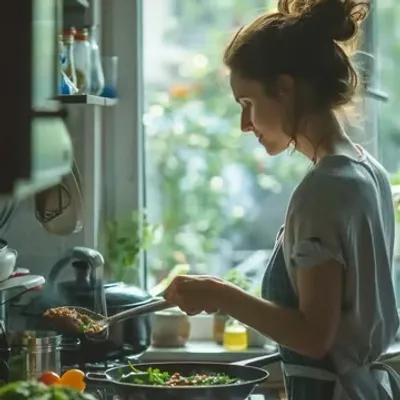


I remember my first summer trying to capture the garden's bounty, standing in my slightly chaotic kitchen, surrounded by mountains of ripe tomatoes and peppers. Honestly, it felt a bit like a mad scientist's lab. That year, I was determined to master Canning Zesty Salsa. My grandma always said the best salsa came from home, and I wanted to prove her right. The smell of fresh garlic and simmering tomatoes filled the air, mixed with a hint of something spicy that made my nose twitch. It wasn't perfect, my first batch was a little... watery, but the flavor was there! This recipe, after many trials (and a few "oops" moments with too much jalapeño), became a staple, a little jar of summer sunshine for those grey winter days. It’s special because it reminds me of those early, messy kitchen adventures and the pure joy of making something from scratch.
One time, I was so excited about my Canning Zesty Salsa, I accidentally added a whole extra tablespoon of chili powder instead of cumin. My partner took a bite and his eyes watered, bless his heart! We had a good laugh, and I quickly added some extra sugar to balance it out. It taught me to always double-check my measurements, especially when I'm singing along to my favorite tunes and getting a little too carried away in the kitchen. That batch was still delicious, just with an extra fiery personality!
Ingredients for Zesty Salsa Canning
- Ripe Tomatoes (about 10 lbs): Roma or paste tomatoes work wonders here because they have less water, which means a thicker salsa. I’ve tried beefsteaks, and honestly, it just makes things too watery, like a tomato soup!
- Onions (2 large): Yellow onions give that classic savory base. I once used red onions because that's all I had, and while it worked, the flavor was a bit too sharp for my liking.
- Bell Peppers (2 large, any color): These add sweetness and body. I usually go for red or orange because they’re sweeter, but green is fine if you want a more earthy flavor.
- Jalapeño Peppers (4-6, deseeded for less heat): This is where the "zesty" comes in! Adjust to your spice preference, I usually keep a few seeds in because I like a little kick, but my mom prefers none.
- garlic (8-10 cloves, minced): Don't even think about using garlic powder! Fresh garlic is non-negotiable for that robust flavor. I once ran out and tried jarred minced garlic, and it just wasn't the same.
- Cilantro (1 large bunch, chopped): This herb adds a fresh, vibrant note that brings everything together. I know some folks hate cilantro, but for me, it’s essential!
- White Vinegar (2 cups, 5% acidity): This is CRITICAL for canning safety. Don’t mess with the amount, please! I've had friends try to reduce it, and it's just not safe for preserving.
- Lime Juice (1/4 cup, fresh squeezed): Fresh is always best. It brightens the flavors so much. I tried bottled once, and it just tasted flat.
- Cumin (2 tsp): Adds a warm, earthy depth. I sometimes add a little extra because I love that smoky flavor.
- Chili Powder (1 tsp): For a little extra warmth and color. You can ramp this up if you like more heat.
- Granulated Sugar (2 tbsp): Balances the acidity of the tomatoes and vinegar.
- Canning Salt (2 tbsp): Use canning salt, not iodized table salt, to avoid discoloration and cloudiness. I learned that the hard way with a batch of pickles!
Instructions for Making Zesty Salsa Canning
- Prep Your Veggies Like a Pro:
- First things first, get all those tomatoes, onions, bell peppers, jalapeños, and garlic washed and ready. I usually core and quarter the tomatoes, roughly chop the onions and bell peppers, and deseed the jalapeños (unless you're feeling extra brave!). Throw them all into a food processor in batches don't overcrowd it, or you'll end up with mush instead of chunky goodness. Pulse until they're finely diced but still have some texture. I always forget to salt the water for my pasta, but I never forget to properly dice my salsa veggies, it makes a huge difference in the final product!
- Combine and Simmer for Flavor:
- Pour all your diced veggies into a large, heavy-bottomed pot. Add the white vinegar, fresh lime juice, cumin, chili powder, granulated sugar, and canning salt. Give it a good stir to combine everything. This is where the magic starts to happen, and your kitchen will begin to smell absolutely incredible! Bring the mixture to a boil over medium-high heat, then reduce the heat to a gentle simmer. I once cranked the heat too high and ended up with a splattery mess all over my stove oops! Keep it at a simmer, stirring occasionally to prevent sticking.
- Let the Flavors Mingle:
- Continue to simmer the salsa for about 30-45 minutes, or until it reaches your desired consistency. You want it to thicken up a bit, losing some of that excess liquid. I love watching it bubble and reduce, seeing the colors deepen. This is the stage where all those individual flavors really start to meld together into something truly special. Taste it and adjust seasonings if needed maybe a little more salt or a squeeze of lime? Trust your gut here! Don't be afraid to add a bit more spice if you're feeling adventurous.
- Get Your Jars Ready:
- While your salsa is simmering, sterilize your canning jars and lids. I usually wash them in hot, soapy water, then place the jars in a boiling water canner filled with simmering water for at least 10 minutes. The lids go into a separate small saucepan with simmering water, but don't boil them, it can damage the seals! This is a step I used to rush, and let me tell you, a failed seal is a real bummer. Make sure everything is piping hot to ensure a good seal.
- Fill 'Em Up (Carefully!):
- Once your salsa is ready and your jars are hot, carefully ladle the hot salsa into the sterilized jars, leaving about a 1/2-inch headspace from the rim. This headspace is crucial for proper sealing! Wipe the rims of the jars clean with a damp cloth any salsa on the rim can prevent a good seal. Place the hot lids on top, then screw on the bands finger-tight. Don't overtighten, or the air won't be able to escape during processing. I've definitely overtightened before and had jars not seal, so learn from my mistakes!
- Process for Preservation:
- Carefully place the filled jars into your boiling water canner, ensuring they are fully submerged by at least an inch of water. Bring the water back to a rolling boil and process pint jars for 15 minutes (adjust for altitude if necessary). Once the processing time is up, turn off the heat and let the jars sit in the hot water for another 5 minutes before removing them. This helps prevent "siphoning" (salsa bubbling out). Transfer them to a towel-lined counter and let them cool completely for 12-24 hours. You'll hear those satisfying "pop" sounds as they seal honestly, it’s the best sound!
I remember one afternoon, after a particularly bountiful harvest, I had salsa bubbling away on all four burners. My kitchen was a glorious, steamy mess, smelling of tomatoes and peppers. My dog, bless her heart, kept trying to sneak a taste of any stray cilantro that fell on the floor. It felt like a true homesteading moment, even if my "homestead" is just a suburban backyard. The sense of accomplishment when those jars started popping their seals was immense. It's those little moments of kitchen chaos that make cooking feel so real and rewarding.
Storing Your Zesty Salsa Canning
Once your jars of Canning Zesty Salsa have cooled completely and you've confirmed they're sealed (the lid should be concave and not flex when pressed), they're shelf-stable! Store them in a cool, dark place like a pantry or cellar. I've had jars last easily for a year, sometimes even longer, though the flavor is best within that first year. Once you open a jar, though, it needs to go straight into the fridge. I made the mistake once of leaving an open jar on the counter overnight thinking "it's just salsa," and yep, it went bad. Don't be like me, lol! It'll keep in the refrigerator for about 2-3 weeks, but honestly, it usually doesn't last that long in my house. It's just too good!

Canning Zesty Salsa: Ingredient Substitutions
Life happens, and sometimes you don't have exactly what the recipe calls for. For the tomatoes, if you can't get Roma, any meaty tomato like San Marzano or even a good beefsteak (just be prepared to cook it down longer) can work. I tried using cherry tomatoes once, and while cute, they were a pain to process and added too much liquid. For peppers, if jalapeños are too mild, a serrano pepper or even a tiny bit of habanero will turn up the heat I once added a ghost pepper by mistake, and let's just say that batch was for the bravest of souls! If you're out of fresh cilantro, dried cilantro can be used, but honestly, the fresh stuff makes such a difference. A little extra lime zest can also boost that fresh flavor. Just remember, when it comes to Canning Zesty Salsa, don't mess with the vinegar amount for safety!
Serving Your Zesty Salsa Canning
Oh, the possibilities! This Canning Zesty Salsa is fantastic simply scooped up with a good, sturdy tortilla chip I prefer the thicker, restaurant-style ones. It’s also incredible over scrambled eggs for a breakfast with a kick, or spooned generously onto tacos, burritos, or quesadillas. My personal favorite way to enjoy it on a chilly evening is dolloped over grilled chicken or fish, maybe with a side of fluffy rice. And honestly, a jar of this salsa and a rom-com? Yes please. It even makes a surprisingly good base for a quick chili if you're in a pinch. Don't forget to try it as a vibrant topping for nachos, especially when you have friends over!
Canning Zesty Salsa: A Cultural Backstory
Salsa, in its many forms, has roots deep in Mesoamerican history, long before Europeans arrived. The Aztecs, Mayans, and Incas were already enjoying combinations of chilies, tomatoes, and other spices. The word "salsa" itself is Spanish for "sauce." For me, learning to make and can salsa felt like connecting to a long lineage of home cooks who preserved their harvest. My own journey with Canning Zesty Salsa started with wanting to replicate the vibrant flavors I tasted on a trip through the Southwest. There was something so authentic about the roadside stands selling jars of homemade salsa. It's a dish that speaks of community, of sharing, and of making the most of what the earth provides. every pop of a jar lid feels like a little nod to that history, a personal connection to a timeless culinary tradition.
Making this Canning Zesty Salsa has become a cherished ritual in my kitchen. It's more than just a recipe, it's a way to hold onto the warmth of summer and bring a little bit of that garden magic to every meal, even in the middle of winter. The taste, the smell, the satisfying clink of the jars it all fills me with so much joy. I hope you give it a try and find as much happiness in it as I do. And please, tell me about your own kitchen adventures with it!

Canning Zesty Salsa: FAQs
- → Can I use different types of tomatoes for my Canning Zesty Salsa?
Yes, but stick to paste tomatoes like Roma for the best consistency. I've tried juicier varieties, and you'll just have to cook it down much longer to get rid of the excess water, which can affect the fresh flavor, honestly.
- → What if I don't have fresh cilantro for this Canning Zesty Salsa?
You can use dried cilantro, about 1/3 the amount of fresh. I did that once in a pinch, and it worked okay, but the fresh stuff really brightens the flavor of the Canning Zesty Salsa, so I highly recommend it if you can get it.
- → Why is headspace so important when canning this Zesty Salsa?
Headspace allows for proper vacuum seal formation. If you overfill, the lid might not seal properly. I learned that the hard way when a few of my jars didn't seal and I had to refrigerate them right away!
- → How long does homemade Canning Zesty Salsa last once opened?
Once you open a jar of your Zesty Salsa Canning, it needs to be refrigerated. It usually lasts about 2-3 weeks in the fridge. My family usually finishes a jar in a few days, so it's rarely an issue!
- → Can I add other vegetables to this Canning Zesty Salsa recipe?
While experimenting is fun for fresh salsa, for canning, it's safer to stick to tested recipes to maintain proper acidity. Adding low-acid veggies can make it unsafe. I stick to this recipe for Canning Zesty Salsa for shelf-stability!