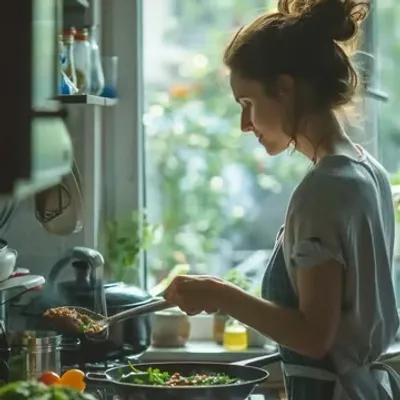


Honestly, there’s nothing quite like the smell of summer tomatoes simmering on the stove. I remember my grandma, sleeves rolled up, a faint smudge of dirt on her cheek from the garden, standing over a huge pot, stirring what would become our year's supply of Homemade Salsa for Canning. The kitchen was a glorious chaos of chopped onions, jalapeños, and that sweet, earthy scent of ripe tomatoes. I’d try to help, mostly just getting in the way, probably dropping a few tomato bits on the floor (oops!), but the memory of her patience and the promise of that vibrant, tangy salsa always stuck with me. This recipe? It’s a little piece of that summer magic, bottled up.
One year, I got a little overzealous with the jalapeños, thinking 'more heat, more flavor!' To be real, my eyes were watering just from the fumes, and the first taste test nearly blew my husband's head off. We laughed so hard, and I quickly learned to taste and adjust. That batch, bless its fiery heart, became our 'dare-you-to-eat-it' salsa, which, surprisingly, some friends loved! It’s all part of the journey when you’re making Homemade Salsa for Canning.
Ingredients
- Ripe Tomatoes (Roma or paste varieties are my fav): These are the heart and soul, the juicy base. Don't use anything less than perfectly ripe, honestly, you'll taste the difference. I've tried watery slicing tomatoes once, and let's just say it was more soup than salsa.
- Onions (Yellow or White): They add that essential pungent sweetness. I usually chop way more than I think I need because they just melt into the sauce.
- Bell Peppers (Green or Red): For a bit of sweetness and body. Green gives a classic salsa taste, but red adds a lovely color and a touch more sweetness. I didn't expect that subtle change, but it's nice.
- Fresh Jalapeños or Serranos (seeded and minced): This is where the kick comes from! Adjust to your heat preference, folks. I've accidentally touched my eye after chopping these, and wow, not fun. Gloves are your friend, trust me.
- garlic (minced): Because honestly, what isn't better with more garlic? It adds depth and a wonderful aroma. I always sneak in an extra clove or two.
- Fresh Cilantro (chopped): That bright, fresh finish. Some people hate it, I know, but for me, it's non-negotiable. It just smells like authentic salsa.
- White Vinegar (5% acidity): CRITICAL for safety in Homemade Salsa for Canning. Don't skimp, don't substitute with apple cider vinegar unless a tested recipe says so. This is not the place to get creative, folks.
- Canning Salt (non-iodized): Regular table salt can make your salsa cloudy and taste weird. Canning salt is pure and dissolves beautifully.
- Granulated Sugar (optional, to taste): A pinch can balance the acidity of the tomatoes and vinegar. I sometimes add a tiny bit if my tomatoes aren't super sweet.
Instructions
- Prep Your Produce Like a Pro (or a passionate amateur!):
- First things first, get all those beautiful veggies ready. Wash your tomatoes, bell peppers, and jalapeños. Core and roughly chop the tomatoes I don't bother peeling them unless they're super tough-skinned, honestly, the skins add a bit of texture and nutrition! Dice your onions and bell peppers, and mince that glorious garlic. For the jalapeños, definitely wear gloves if you're sensitive, and remove the seeds and membranes for less heat. I've made the mistake of not seeding enough, and, well, let's just say it was a spicy surprise!
- Simmer Time (The Aromas Begin!):
- In a large, heavy-bottomed pot, combine your chopped tomatoes, onions, bell peppers, jalapeños, and garlic. Stir in the vinegar, canning salt, and sugar (if using). Bring this glorious mixture to a boil over medium-high heat, then reduce the heat to a simmer. Let it bubble gently for about 20-30 minutes, stirring occasionally. You'll want it to thicken a bit, and the flavors will start to marry. This is where your kitchen starts smelling absolutely divine, like a summer garden party, I swear!
- Taste, Adjust, and Get It Just Right:
- Now for the fun part: tasting! Carefully spoon a little bit into a small bowl (let it cool slightly, don't burn your tongue like I've done countless times!). Adjust the salt, sugar, or even add a bit more heat if you're feeling brave. This is your Homemade Salsa for Canning, so make it sing! Stir in the fresh cilantro during the last 5 minutes of simmering. It keeps its vibrant flavor better that way, honestly.
- Sterilize Your Jars (Crucial Step!):
- While your salsa is simmering, get your canning jars and lids ready. Wash them thoroughly in hot, soapy water, then rinse well. Sterilize the jars by boiling them in a large canner for at least 10 minutes. Keep them hot in the canner until you're ready to fill them. The lids should be simmered (not boiled) in a separate small saucepan of hot water to soften the sealing compound. This step is non-negotiable for safe Homemade Salsa for Canning don't skip it, I learned that the hard way with a few unsealed jars once upon a time!
- Fill 'Em Up (Careful, It's Hot!):
- Carefully remove one hot jar from the canner, pouring out any water. Using a funnel and a ladle, fill the hot jars with your simmering salsa, leaving about 1/2 inch of headspace (that's the space between the salsa and the rim of the jar). This headspace is important for proper sealing, honestly. Wipe the rims of the jars clean with a damp cloth any salsa on the rim can prevent a good seal. Place a hot lid on each jar, followed by a screw band, tightening it "fingertip tight." Don't overtighten, you want air to escape.
- Water Bath Magic (The Grand Finale!):
- Carefully place the filled jars back into the hot canner, ensuring they are fully submerged in water by at least an inch. Bring the water to a rolling boil. Process pint jars for 15 minutes (adjust for altitude if needed). Once processing time is up, turn off the heat, remove the canner lid, and let the jars sit in the hot water for 5 minutes. This helps prevent siphoning. Then, carefully remove the jars and place them on a towel-lined counter, leaving space between them. You'll hear the satisfying 'ping!' as they seal. It's the best sound after all that work, to be real!
There's something incredibly satisfying about seeing those rows of sealed jars on my counter, all glowing with that vibrant red. It’s a testament to a day well spent, a bit of kitchen chaos tamed into delicious order. Each jar of Homemade Salsa for Canning feels like a little treasure, a promise of summer sunshine to come, even when it's snowing outside. It truly makes my heart happy.

Homemade Salsa for Canning: Storage Tips
Once your jars have cooled and sealed (you'll hear that satisfying 'ping!' or feel the lid is concave), you can store your Homemade Salsa for Canning. I usually leave them undisturbed on the counter for 24 hours to ensure a good seal. After that, remove the screw bands, label your jars with the date, and store them in a cool, dark place like a pantry. Honestly, I once put a batch in a cupboard right above the stove, and they didn't last as long, the heat definitely affected the quality. Properly canned salsa will keep for up to 18 months, though in my house, it rarely lasts that long! Once you open a jar, store it in the refrigerator and try to use it within 1-2 weeks. I've had it go a bit watery after about two weeks in the fridge, so try to enjoy it fresh!

Homemade Salsa for Canning: Ingredient Substitutions
Okay, let's talk swaps for your Homemade Salsa for Canning! For tomatoes, while Romas are my go-to for their meatiness, any paste tomato variety works wonderfully. I once tried making it with a mix of heirloom slicing tomatoes because that's what my garden gave me, and it was a bit more watery, but still tasty! Just be prepared for a slightly thinner consistency. As for heat, if jalapeños are too mild, serranos will crank it up a notch. If you're a wimp like me sometimes, you can use a milder pepper like poblano (just remember they're less acidic, so stick to the tested recipe proportions for other ingredients). Dried cilantro? Honestly, I tried that once when I was desperate, and it just didn't have the same vibrant punch. Stick to fresh for the best flavor! And if you don't have canning salt, you can use pure non-iodized salt, but definitely avoid iodized table salt.
Serving Suggestions
Oh, the possibilities with Homemade Salsa for Canning! Obviously, it's amazing with tortilla chips a classic, truly. But don't stop there! I love spooning it over scrambled eggs or an omelet for a quick, zesty breakfast. It’s a fantastic topping for grilled chicken or fish, adding a burst of fresh flavor. Try mixing it into ground beef or turkey for a quick taco filling, or even stirring a dollop into a bowl of chili to brighten it up. My personal favorite? A big spoonful on a baked potato with a little sour cream. And honestly, a jar of this salsa paired with a crisp margarita and some good company? That's my kind of evening!
Cultural Backstory
Salsa, in its many forms, has such a rich and ancient history, tracing back to the Aztec, Mayan, and Inca civilizations. They used tomatoes, chilies, and other indigenous ingredients to create vibrant sauces long before the Spanish arrived. The word 'salsa' itself is Spanish for 'sauce,' and over centuries, it evolved, incorporating new ingredients and techniques. For me, making Homemade Salsa for Canning feels like connecting to that long tradition of preserving the harvest, a skill passed down through generations. It's a humble dish, but it carries the weight of history and the joy of simple, fresh flavors. It reminds me of my own family's roots and how food brings us all together, no matter where we come from. It’s more than just a condiment, it’s a celebration.
Making this Homemade Salsa for Canning truly fills my kitchen with warmth and my heart with a quiet satisfaction. It's a labor of love, a messy, fragrant, and deeply rewarding process. There’s something so special about knowing you’ve captured a bit of summer’s bounty to enjoy whenever you need a little sunshine. I hope you give it a try and make it your own. Let me know how your batch turns out!
Homemade Salsa for Canning: Frequently Asked Questions
- → Can I use any type of tomato for canning salsa?
Honestly, while you can use any, I've found paste tomatoes like Roma work best because they're less watery. Using juicier slicing tomatoes might give you a thinner salsa, which is fine, but it might not be what you expect!
- → What if I don't have canning salt?
I've been there! You can use pure, non-iodized salt. The important part is to avoid iodized table salt, as it can make your salsa cloudy and affect the taste. Don't worry, it'll still taste great!
- → My salsa seems too thin after simmering. What did I do wrong?
You didn't do anything wrong! Sometimes tomatoes are just extra juicy. I usually just let it simmer a bit longer, uncovered, to reduce. If it's still too thin for your liking, you can carefully drain some liquid before filling your jars. No biggie!
- → How long does Homemade Salsa for Canning last?
If properly canned and stored in a cool, dark place, your homemade salsa can last for up to 18 months. Once opened, keep it in the fridge and try to enjoy it within 1-2 weeks. I've had it get a little tired after that, honestly!
- → Can I add other vegetables like corn or black beans to this recipe?
For safety in water bath canning, I wouldn't recommend adding low-acid ingredients like corn or black beans to this recipe. It changes the pH, and you'd need to use a pressure canner. Stick to the recipe for safe Homemade Salsa for Canning!