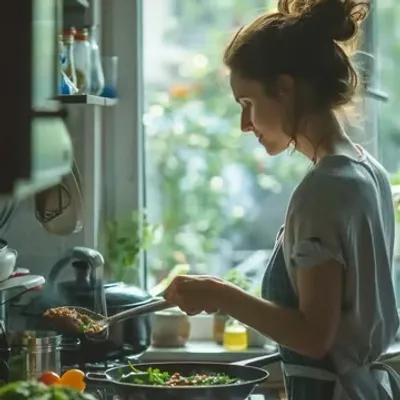


Honestly, some of my favorite kitchen memories start with a mountain of fresh produce on the counter, usually from a trip to the farmer's market or, on a really good year, our own overflowing garden. This homemade canning salsa recipe? It goes way back to a summer when I first attempted canning anything beyond pickles. I was convinced I'd mess it up, but the idea of tasting summer sunshine in the middle of winter was just too tempting. The kitchen was a glorious, tomato-splattered mess, smelling like fresh herbs and simmering goodness. It felt a little chaotic, a little overwhelming, but the end result? Pure magic. This salsa isn't just a condiment, it's a jarred memory, a taste of home, and a testament to a summer's worth of effort that totally pays off.
I remember one time, mid-salsa frenzy, I accidentally grabbed the hot pepper seeds with my bare hands after chopping about five jalapeños. My eyes started watering, then burning, and I swear I thought I'd somehow inhaled pure capsaicin! Lesson learned: gloves are your friend, always, especially when dealing with hot peppers for homemade canning salsa. It was a funny, albeit painful, little kitchen disaster that now makes me chuckle every time I reach for those peppers.
Ingredients for Your Homemade Canning Salsa
- Ripe Tomatoes: Roma or paste tomatoes work best here because they're less watery, which is key for a good, thick salsa. Honestly, I've tried using juicier heirlooms, and while delicious, they make for a much runnier salsa, which is fine, but not ideal for canning.
- Onions & garlic: The backbone of flavor! I swear by yellow onions for that sweet, pungent base. As for garlic, I always add a little extra, you just can't have too much, can you?
- Bell Peppers: I like a mix of green and red for color and a bit of sweetness. They add a nice crunch and balance the heat. I tried using only green once, and it was a bit too earthy for my taste.
- Jalapeños or Serranos: This is where you control the heat! I usually go for jalapeños, but if you're feeling brave, serranos bring a real kick. Just remember those gloves, seriously.
- Fresh Cilantro: It adds that bright, fresh, almost citrusy note that screams 'salsa!' I know some folks have that gene where it tastes like soap, but for me, it's essential.
- White Vinegar or Lime Juice: CRITICAL for canning safety and flavor. This acid component is what makes it shelf-stable. Don't skimp, don't substitute with less acidic options. It’s what gives this homemade canning salsa its tangy zing.
- Canning Salt: Regular table salt has anti-caking agents that can make your salsa cloudy. Canning salt is pure and dissolves beautifully.
- Ground Cumin & Dried Oregano: These spices bring that classic, warm, earthy salsa flavor. I always toast my cumin lightly before adding it for an extra layer of depth.
Crafting Your Tangy Homemade Canning Salsa
- Prep Your Produce & Jars:
- First things first, wash all your veggies. Then, get your canning jars and lids ready sterilize them by boiling or running them through a hot dishwasher cycle. This is super important for food safety, you know? While those are doing their thing, core and peel your tomatoes (a quick dip in boiling water then an ice bath makes this easy, I promise!), chop your onions, peppers, and garlic. I usually get all my chopping done first, making sure everything is uniform for even cooking. This step can feel like a marathon, but it's worth it for this homemade canning salsa.
- Simmer Down the Veggies:
- In a large, heavy-bottomed pot (my trusty Dutch oven is a lifesaver here!), combine the chopped tomatoes, onions, bell peppers, and jalapeños. Bring it all to a gentle boil, then reduce the heat and let it simmer. This is where the magic starts to happen, the house begins to smell incredible! You're looking for the veggies to soften and the mixture to start reducing. I usually let it go for about 20-30 minutes, stirring occasionally so nothing sticks to the bottom. Don't rush it, those flavors need time to meld.
- Add the Flavor Boosters:
- Now for the good stuff! Stir in your minced garlic, fresh cilantro, canning salt, ground cumin, and dried oregano. This is where you really start to build that signature salsa flavor. Give it a good stir and let it simmer for another 10-15 minutes. Taste it! This is your chance to adjust the seasonings. I always add a tiny bit more salt than I think I need, knowing it’ll mellow out in the jar. This is also where the aroma really takes over your kitchen, a sign of delicious homemade canning salsa to come.
- Introduce the Acid:
- Once the flavors are where you want them, pour in the white vinegar or lime juice. This isn't just for taste, it's absolutely vital for the canning process, ensuring the salsa is acidic enough to be safely preserved. Bring the mixture back to a simmer for at least 5 minutes after adding the acid. Don't skip this step! I once thought, 'Oh, it's probably acidic enough,' and almost risked spoilage. Always follow the guidelines here, hon.
- Fill the Jars:
- Carefully ladle the hot salsa into your sterilized canning jars, leaving about a 1/2-inch headspace from the rim. This headspace is crucial for proper sealing. Wipe the rims clean with a damp cloth any salsa on the rim can prevent a good seal. Place the lids and screw bands on, tightening them to 'fingertip tight' not too loose, not too tight. This part always feels a bit like a delicate operation in my kitchen chaos!
- Process in a Water Bath:
- Place your filled jars into a boiling water canner, ensuring they are fully submerged by at least an inch of water. Bring the water back to a rolling boil and process pint jars for 15 minutes (adjust for altitude if needed). This step is what creates that vacuum seal, preserving your homemade canning salsa for months. Once done, turn off the heat, remove the canner lid, and let the jars sit for 5 minutes before carefully removing them to a towel-lined counter to cool. You’ll hear those satisfying 'pings' as they seal!
There's something incredibly satisfying about seeing those rows of freshly sealed jars, all warm and vibrant on the counter. The kitchen, after all the chopping and simmering, settles into a peaceful, savory calm. It's a little messy, a lot of work, but the pride of knowing you’ve captured summer in a jar for later is just priceless. This homemade canning salsa truly feels like a hug from the garden.
Storing Your Homemade Canning Salsa
Once your jars have cooled completely and you've confirmed they're sealed (the lid should be concave and not flex when pressed), they’re ready for the pantry! Store them in a cool, dark place away from direct sunlight. Honestly, I've kept jars for over a year, and they've been perfectly fine, though we usually demolish them much quicker than that, oops. If a jar doesn't seal, just pop it in the fridge and treat it like fresh salsa, eating it within a week or so. I once had a jar that didn't seal properly, and I just used it for a big batch of chili that same week. It still tasted amazing! Always check for any signs of spoilage before opening, like a bulging lid or off-smell, though with proper canning, it’s rare.

Homemade Canning Salsa Ingredient Swaps
Life happens, and sometimes you don't have exactly what the recipe calls for. For tomatoes, while Roma are my favorite, if you have a mix of garden tomatoes, just go for it! You might need to simmer it a bit longer to reduce excess liquid. I tried a batch with mostly beefsteak tomatoes once, and it was a bit watery, but still flavorful. For peppers, feel free to adjust the heat, swap jalapeños for poblanos for a milder flavor, or habaneros if you're feeling fiery (with extreme caution, please!). If you're out of fresh cilantro, you could try a tiny pinch of dried, but honestly, it won't be the same vibrant flavor. I once used dried and it just… didn't hit right. You could also experiment with different vinegars, like apple cider vinegar, for a slightly different tang, but always ensure it's at least 5% acidity for canning safety.
Serving Up Homemade Canning Salsa
This homemade canning salsa is so versatile, it's practically a kitchen chameleon! Of course, it's incredible with your favorite tortilla chips a classic for a reason, right? But don't stop there! I love spooning it over scrambled eggs or an omelet for a breakfast with a kick. It's fantastic as a topping for grilled chicken or fish, adding a fresh, zesty finish. On taco night, it's non-negotiable. I even use it as a base for a quick chili or a flavorful addition to soup. And for a truly cozy night in? A big bowl of this salsa, a good movie, and maybe a margarita. Yes, please!
Cultural Backstory of Canning Salsa
Salsa, in its many forms, has a rich and vibrant history deeply rooted in Mesoamerican cultures, dating back to the Aztec civilization. It's evolved over centuries, embracing new ingredients and regional variations. Canning, while a more modern preservation technique, allows us to extend the life of this incredible culinary tradition. For me, discovering how to make homemade canning salsa felt like connecting to those ancestral practices of preserving the harvest. It’s not just about food, it’s about heritage, resourcefulness, and the joy of sharing something made with care. My grandma always canned her own pickles and jams, and this feels like my way of carrying on that tradition, but with a spicy, tomato-filled twist.
And there you have it, my take on homemade canning salsa. It's a labor of love, a little bit messy, and so, so rewarding. That first pop of the lid in the dead of winter, releasing all that summer flavor? It’s pure joy. I hope you give it a try and make some amazing kitchen memories of your own. What are your favorite canning adventures? Share them with me!

Frequently Asked Questions
- → Can I use fresh lime juice instead of vinegar for this homemade canning salsa?
Yes, you absolutely can! Just make sure it's fresh lime juice, not bottled, and that you use the same quantity as the vinegar specified. The acidity is key for safety, so don't eyeball it. I find lime gives it a slightly brighter, more zesty flavor, which I sometimes prefer!
- → My salsa turned out a bit watery, what did I do wrong?
Oh, I've been there! Usually, it means your tomatoes were extra juicy, or you didn't simmer it long enough. Next time, try draining some of the liquid from the chopped tomatoes before adding them, or just let the salsa cook down a bit longer until it reaches your desired consistency. It's a learning curve, hon!
- → How do I know if my jars of homemade canning salsa have sealed properly?
After the jars cool, the center of the lid should be concave (curved inwards) and shouldn't move or flex when you press on it. If it pops up and down, it hasn't sealed. I usually give them a gentle tap, a dull thud means it's sealed, a hollow sound means it's not. Don't worry, it happens!
- → Can I add other vegetables like corn or black beans to this recipe?
For canning safety, it's best to stick to the tested recipe for homemade canning salsa, especially when it comes to low-acid ingredients like corn or beans. Adding them can alter the pH and make it unsafe for shelf storage. If you want those additions, stir them in just before serving or freeze the salsa instead of canning it.
- → What if I don't have a water bath canner?
No canner? No problem... kinda! You can use a very large stockpot with a rack at the bottom to keep the jars off the pot. Just ensure the pot is deep enough for the jars to be covered by at least 1-2 inches of boiling water. It works, I've done it in a pinch, but a dedicated canner is easier.