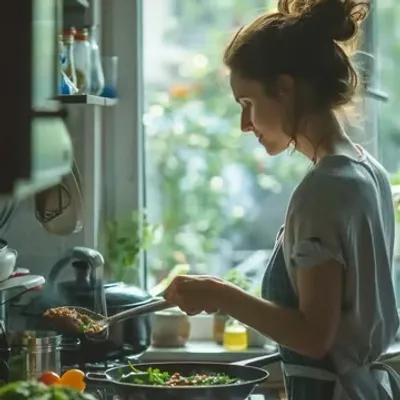


Summer, for me, always smells like ripe tomatoes and the gentle simmer of something wonderful on the stove. There’s this memory, hazy now, of my Grandma Betty in her steamy kitchen, a mountain of garden tomatoes on the counter, humming a little tune as she prepped for canning day. Honestly, it looked like pure chaos back then, but the reward? Jars of sunshine, tucked away for cooler months. That feeling, that connection to the earth and to family, is why this canning salsa recipe means so much to me. It’s not just food, it’s a jar full of summer memories, a little bit of her legacy, and a whole lot of deliciousness.
I remember one year, I was so excited, I bought a huge bushel of tomatoes way too many for my tiny kitchen counter. My partner walked in, took one look, and just started laughing. I mean, fair enough, it looked like a tomato avalanche! I ended up with tomato juice pretty much everywhere, and a few jars that didn't seal because I rushed the process. Oops. But you know what? Those little mishaps are part of the learning curve, and each batch gets a little bit better, a little less messy, and a whole lot more confident.
Getting Ready for Your Canning Salsa Recipe
Base Ingredients for Canning Salsa Recipe
- Fresh, Ripe Tomatoes (Roma or Paste Tomatoes): These are the stars of our canning salsa recipe, hon! Roma or paste tomatoes are best because they have less water and more flesh, which means a thicker salsa. I once tried slicing up big beefsteaks, and it was a watery mess. Just don't.
- Onions (Yellow or White): The unsung hero, giving our salsa that crucial savory depth. I chop 'em pretty fine, nobody wants a huge chunk of raw onion in their salsa, right?
- Bell Peppers (Green or Red): These add a lovely sweetness and bulk. Green is traditional, but a red one sometimes sneaks into my mix for extra color.
- Jalapeño or Serrano Peppers: Spice is personal, and this is where you customize your canning salsa recipe. I usually de-seed for a milder kick, but if you're brave, leave a few seeds in! Just remember to wear gloves, I learned that lesson the hard way. Fiery fingers are no fun.
Flavor Builders & Preservatives
- garlic: Loads of it, always. garlic makes everything better, and this salsa is no exception. It adds a warmth and pungency that really rounds out the flavors.
- Cilantro (Fresh): That bright, fresh pop! If you're one of those folks who think it tastes like soap, I get it. Try fresh parsley instead, or just omit it. But for me, it's essential.
- White Vinegar (5% acidity): CRITICAL for canning safety. This isn't just for tang, it's what makes this a safe canning salsa recipe by lowering the pH. Do NOT swap this for apple cider vinegar or lemon juice unless the recipe specifically calls for it and is tested. Safety first!
- Canning Salt (Non-iodized): Regular table salt has anti-caking agents that can make your salsa cloudy. Canning salt is pure and simple, and it's what you want for preserving.
Spices & Herbs
- Ground Cumin: Adds an earthy, warm depth that just screams 'salsa.' It’s that secret ingredient that makes people ask, 'What IS that amazing flavor?'
- Dried Oregano: I prefer Mexican oregano if I can find it, but regular dried oregano works wonderfully too. It brings a classic, herbaceous note.
Instructions for Your Canning Salsa Recipe
- Prep Your Veggies Like a Pro (or at least, like me):
- First things first, wash all those beautiful tomatoes and peppers. For the tomatoes, you'll want to blanch them briefly in boiling water, then dunk them in an ice bath. This makes the skins slip right off honestly, it’s so satisfying! Then, core and chop them into about 1/2-inch pieces. Chop your onions, bell peppers, jalapeños (remember those gloves!), and mince the garlic. This is where my kitchen usually starts to look like a tornado hit, with veggie bits everywhere. Don't worry, it's part of the charm.
- Combine and Get That Simmer Going:
- In a very large, non-reactive pot (stainless steel is your friend here, cast iron is a no-go for acidic foods!), combine your chopped tomatoes, onions, bell peppers, jalapeños, and minced garlic. Stir in the white vinegar, canning salt, ground cumin, and dried oregano. Give it a good stir, making sure everything is well mixed. This is where the magic starts, you'll begin to smell all those fresh flavors mingling. Try not to taste too much just yet, it needs to cook down!
- Cook Down to Salsa Perfection:
- Bring the mixture to a boil over medium-high heat, stirring frequently. Once it reaches a rolling boil, reduce the heat to a simmer and let it cook uncovered for about 30-45 minutes. You're looking for it to thicken up, losing some of that excess liquid. It should look saucy, not watery. This is where I often get impatient, but trust the process! The aroma filling your kitchen will be incredible, a real testament to this canning salsa recipe.
- Add Freshness and Prep Your Jars:
- While your salsa is simmering, go ahead and sterilize your canning jars and lids according to manufacturer instructions. This is crucial for food safety. Once your salsa has thickened, stir in the fresh cilantro. Now, taste and adjust seasonings if needed but remember, the flavors will deepen as it sits. This is also the point where I usually burn my tongue because I just can't wait.
- Fill 'Em Up (Carefully!):
- Using a ladle and a canning funnel, carefully fill the hot, sterilized jars with the hot salsa, leaving a 1/2-inch headspace. This headspace is important for proper sealing. Wipe the rims of the jars with a clean, damp cloth to remove any salsa residue any little bit can prevent a good seal. Place the lids and screw bands on, tightening them to fingertip tight, don't overtighten!
- Water Bath Canning for Safety and Storage:
- Carefully place the filled jars into a boiling water canner, ensuring they are fully submerged by at least an inch of water. Bring the water back to a rolling boil, then process for 15 minutes (adjusting for altitude if necessary). Once processing is complete, turn off the heat, remove the canner lid, and let the jars sit in the hot water for 5 minutes. Then, carefully remove them to a clean towel on the counter to cool for 12-24 hours. Listen for those satisfying 'ping!' sounds that means they've sealed!
There's nothing quite like walking into my pantry and seeing those rows of jewel-toned jars. Each one represents a sunny afternoon, a bit of elbow grease, and the promise of fresh flavors even in the dead of winter. It’s a messy process, no doubt, with tomato splatters and sticky fingers, but the feeling of accomplishment, of having preserved a little piece of summer, is just so incredibly rewarding. It’s pure kitchen therapy, honestly.
Making Your Canning Salsa Recipe Last: Storage Tips
Once your jars of canning salsa recipe have cooled and sealed (you'll hear that satisfying 'ping!'), they're shelf-stable! Store them in a cool, dark place, like a pantry or basement, for up to a year. I always label mine with the date, because, let's be real, I'll forget otherwise. Once you crack open a jar, it needs to be refrigerated. It usually keeps well in the fridge for about 1-2 weeks. I've definitely tried to push it longer once, thinking 'it's salsa, it's fine!' spoiler alert, it wasn't. Just play it safe and enjoy it fresh once opened. Don't microwave it straight from the jar either, the flavors are best at room temperature or gently warmed on the stove.

Canning Salsa Recipe Ingredient Substitutions
Okay, so while canning means you can't go wild with ingredient swaps (especially the vinegar!), there's a little wiggle room. For peppers, if you want more heat, you could swap some jalapeños for serranos, or even throw in a habanero for a real kick just be careful! I tried adding some roasted red peppers once for a smoky flavor, and it worked beautifully, though it did make the salsa a bit softer. As for tomatoes, while paste tomatoes are ideal, if you have a mix from your garden, just try to drain off any excess liquid before cooking. I once used a blend of heirlooms, and it was delicious, but definitely needed more simmering time to thicken up. For herbs, if cilantro isn't your thing, a bit of fresh oregano or even some marjoram can add a lovely, earthy note, but it won't be quite the same bright flavor. Just remember, for safety with this canning salsa recipe, keep the acid (vinegar) consistent!
Serving Suggestions for Your Canning Salsa Recipe
Honestly, what isn't good with this salsa? My absolute favorite way to devour it is with a big, ridiculously crispy bag of tortilla chips maybe a rom-com on in the background? Yes please. But it's also a total game-changer on scrambled eggs in the morning, making a simple breakfast feel like a fiesta. Spoon it over grilled chicken or fish for a burst of fresh flavor, or stir it into a pot of chili for an extra layer of depth. For a casual dinner, I love making quick black bean tacos and letting everyone load up with this salsa. And if you're feeling fancy, a dollop on top of a baked sweet potato with a sprinkle of feta? Chef's kiss! It’s just so versatile, it makes everything taste a little more like summer.
Cultural Backstory of This Canning Salsa Recipe
Salsa, in its many forms, is deeply rooted in Mexican and Latin American culinary traditions, with a history stretching back centuries to the Aztecs. It's a vibrant, essential part of so many meals. My personal canning salsa recipe isn't strictly traditional, but it's an homage to those incredible flavors. It began with my Grandma Betty, who, while not Mexican, loved to preserve the harvest and was always experimenting. She'd get these huge boxes of 'seconds' from local farms and spend days in the kitchen. Over the years, I've tweaked her basic tomato sauce recipe, adding more peppers, garlic, and that touch of cumin and oregano, inspired by the incredible salsas I've enjoyed from different cultures. It's my family's adaptation, a blend of preserving tradition and a love for bold, fresh flavors.
Making this salsa is a journey, from the first chop to that satisfying 'ping' of a sealed jar. It’s messy, it takes time, but it’s a labor of love that fills my pantry with sunshine. Each jar holds more than just salsa, it holds memories, effort, and a promise of deliciousness to come. I really hope you give this canning salsa recipe a try and make some beautiful kitchen memories of your own. Don't forget to share your stories with me!

Canning Salsa Recipe FAQs
- → Can I reduce the amount of vinegar in this canning salsa recipe?
Honestly, no. The vinegar content is crucial for the safety of this canning salsa recipe, ensuring proper acidity for water bath canning. Reducing it could lead to spoilage or, worse, botulism. I've never risked it, and I wouldn't recommend you do either!
- → What kind of tomatoes are best for this salsa?
I always lean towards Roma or other paste tomatoes because they're meatier and have less water, which makes for a thicker salsa. I've tried with juicier varieties, and while tasty, it just made for a much thinner, more watery sauce, which isn't quite the vibe for this canning salsa recipe.
- → My jars didn't seal after canning, what went wrong?
Oh, I've been there! Usually, it's because the jar rims weren't wiped clean, or the lids weren't tightened just right. Sometimes a tiny chip in the jar can be the culprit too. Don't fret, just refrigerate those unsealed jars and enjoy the salsa within a week. It happens!
- → How can I make this salsa spicier (or milder)?
For more heat, leave some seeds and membranes in your jalapeños, or swap them for hotter peppers like serranos. For milder, remove all seeds and membranes. I once went crazy with habaneros, and my family barely touched it learn from my mistakes, adjust to your taste!
- → Can I add corn or black beans to this canning salsa recipe?
For canning purposes, adding low-acid ingredients like corn or beans can change the pH and make the canning salsa recipe unsafe. If you want to add them, do so after opening a jar and serving, or be sure to follow a tested recipe specifically for canning with those additions. I usually stir them in fresh!